Understanding the Complexity of Cell Culture Media
In today’s fast-paced biotechnological landscape, the choice of cell culture media is foundational to achieving success in research and development. I vividly recall my early days in the laboratory, navigating the intricacies of media formulations. The emergence of hek293 serum free media promised a revolution—data shows that over 60% of researchers sought alternatives to traditional serum. But what happens when expectations meet reality? The challenges that lie beneath the surface can be deceptive.
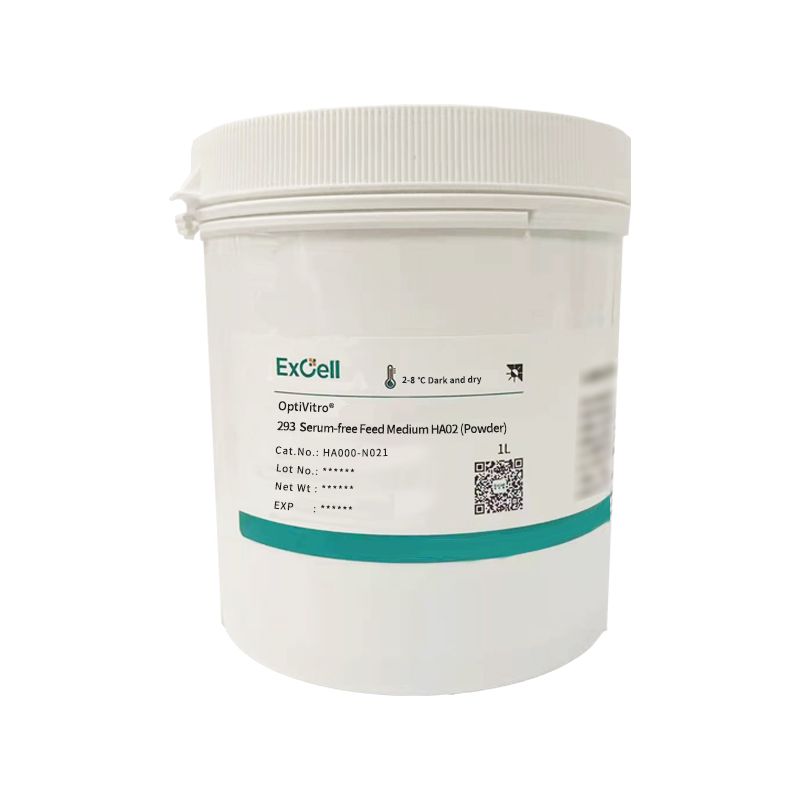
Identifying Hidden Pain Points
One of the prevalent issues with using hek293 serum free media is the variability in growth conditions. This variability—manifested through unpredictable cell behavior and reduced productivity—can throw even seasoned researchers off course. Furthermore, many overlook the crucial role of media composition, which needs careful balancing to prevent nutrient deficiencies. You can squander months experimenting before arriving at the right concentration of supplements, and let me tell you, that is not a pleasant journey! (It genuinely frustrated me on more than one occasion.)

What Makes Choosing the Right Media Critical?
The right media influences not only growth but also protein production consistency. In my experience, researchers often realize the decision carries weight well beyond immediate results, impacting long-term project outcomes. Implementing effective quality controls—for instance, assessing batch-to-batch variability—can significantly enhance reproducibility. Again, I emphasize that much depends on your choice of media. Without the right components, you could find yourself stuck at a standstill in your research.
What Lies Ahead for hek293 Serum Free Media?
As we progress, I foresee a shift towards refined formulations of hek293 serum free media designed to cater to specific cell lines more efficiently. The market is beginning to recognize the importance of tailored solutions, as researchers grow increasingly frustrated with one-size-fits-all media. It’s a refreshing perspective, one that I believe will usher in a new era of cell culture optimization.
Considering Future Innovations
With advancements in bioprocessing technology, we can expect upcoming innovations that not only improve growth rates but also minimize variability. The focus has shifted towards increasing yield efficiency—manufacturers are dedicated to developing media that support higher densities without compromising cell viability. Trust me, every milliliter counts when you are targeting high-stakes research outcomes!
Key Insights Moving Forward
Reflecting on what I’ve shared, a clear picture emerges: the decision surrounding media selection transcends mere convenience; it’s a strategic move vital for successful experimentation. In my tenure, I’ve learned that embracing the rural and somewhat unpredictable character of cell behavior—while leveraging comprehensive media formulations—can turn stumbling blocks into stepping stones. Therefore, I strongly advise potential users to prioritize quality over shortcuts, and thus, align multimedia choices with project goals.
As you deliberate over your next steps in selecting the right solutions, consider these three evaluation metrics: nutrient composition, growth rate, and batch consistency. Each metric can tremendously alter the trajectory of your research. It’s essential to remain empirical and vigilant about the variables at play.
In the end, facing these challenges equips us to elevate our methodologies. Let’s not shy away from the complexities that lie ahead. Remember, when it comes to cell culture, precision is paramount, and I firmly believe that the right media will illuminate the path to your research goals. As a final note, explore more about ExCellBio for state-of-the-art solutions that can seamlessly fit into your scientific journey.
Leave a Reply