Introduction: Are Traditional Water Metering Solutions Failing Us?
Imagine a bustling city facing severe water shortages in the summer months while simultaneously battling potential flooding in the winter. Shocking, right? With the right technology, many municipalities could optimize their water distribution and minimize waste. Enter the lorawan water meter, a smart solution that promises accurate and real-time monitoring of water usage. Recent studies estimate that nearly 30% of water in urban areas is wasted due to aged metering technologies and inefficiencies—raising a question that city planners must confront: How can we achieve better water resource management? This inquiry sets the stage for understanding the limitations of conventional water monitoring methods.

Flaws of Traditional Water Metering Solutions
Even though traditional water meters were once a revolutionary solution, they now suffer from several inherent flaws. Many of these devices are mechanically driven and require frequent manual readings, which leads to human error—imagine missed or incorrect data causing billing discrepancies. Furthermore, these conventional systems lack the ability to provide real-time insights into water usage patterns, leaving both consumers and municipalities in the dark. This is particularly concerning for those looking to implement sustainable practices, as it inhibits effective identification of leaks or waste. Nope, it’s not just a puzzling situation; it’s a costly reality that many have to face.
The User Pain Points Are Clear
Users are often left grappling with delayed notifications about leaks, unexpected spikes in usage, and even faulty billing practices. The integration of edge computing nodes and automated real-time monitoring via lorawan technology can dramatically change this landscape. For cities adopting these smart meters, the benefits extend beyond just personal savings—they promote efficient resource management and can support city-wide conservation efforts. Look, it’s simpler than you think, but traditional solutions are cumbersome and outdated.
What’s Next in Water Meter Technology?
As we capture the evolving narrative of smart water management, it’s essential to recognize advancements in wireless water meter monitoring. This new tech leverages robust communication protocols to not only automate readings but also conduct predictive analytics for detecting leaks before they lead to significant water loss. For instance, municipalities that have adopted these meters are seeing phased reductions in water waste and unexpected costs associated with manual errors. These innovations are set to radically alter our approach to water systems—imagine cities thriving by utilizing data to better forecast demand and identify problem areas rapidly!
Conclusion: Navigating the Future of Water Conservation
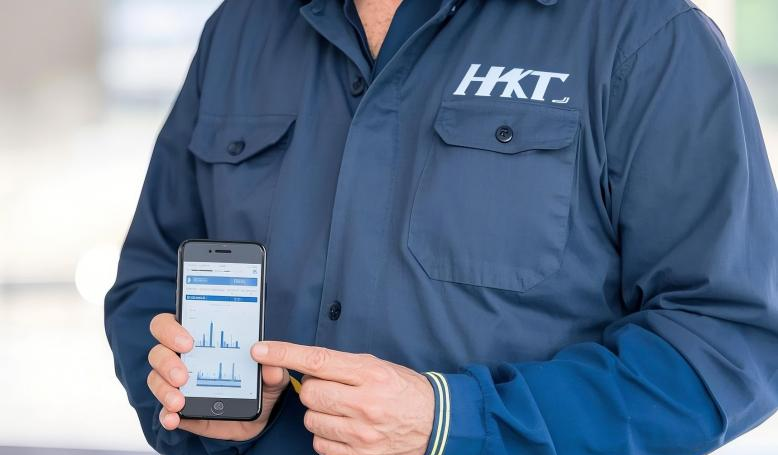
The journey toward a more efficient water management system reflects broader societal values of sustainability and conservation. Both the flaws of traditional methods and the promise offered by new technologies demonstrate that we must critically evaluate existing solutions and strive for better. As communities and city planners look for effective strategies to tackle rising water concerns, a few key considerations can guide their evaluation: assess the accuracy of meter readings, the frequency of data updates, and integration capabilities with existing infrastructure. By championing innovations like HKT LORA, we pave the way for a future where water savings are not just idealistic goals but achievable realities.
Leave a Reply