Introduction — a quick scene, then a question
I remember walking into a small clinic in Quezon City where a nurse joked that the machine looked like a sci‑fi lamp. The next sentence: advanced red light technology has been quietly moving from niche wellness centers into mainstream clinics and home devices. Recent surveys show adoption growing by double digits year over year (roughly 12–18% in some markets) and more people asking about clinical evidence. So what really changes when clinics adopt these tools — and what should users watch for?
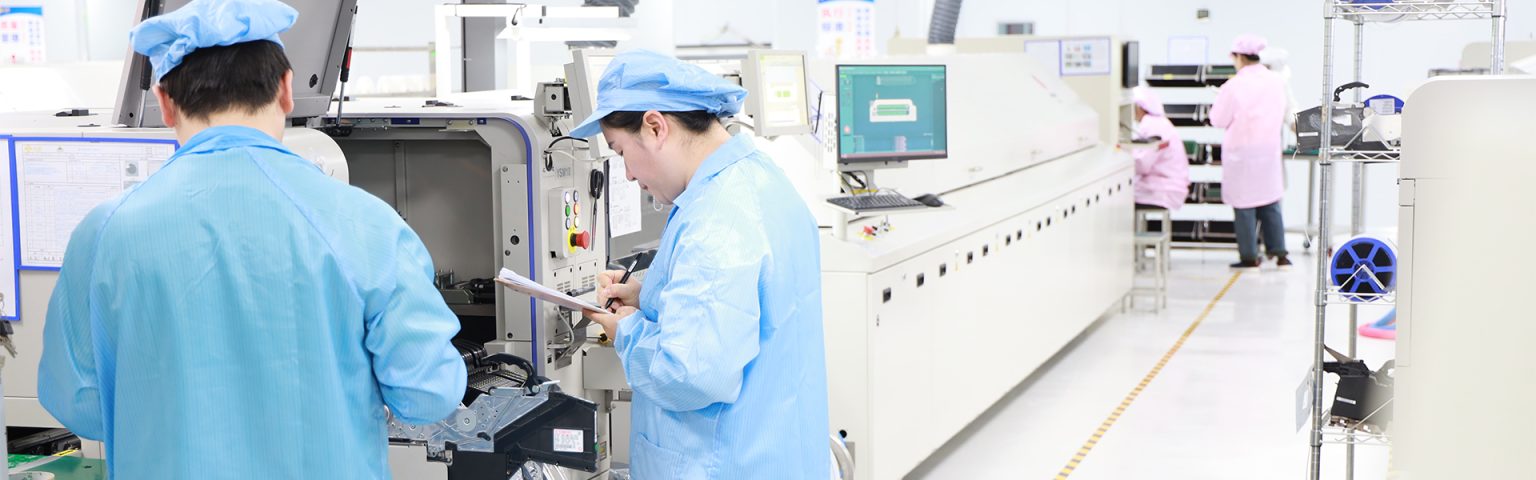
I write this as someone who tests gear and talks to clinicians regularly; I want to share what I’ve learned in plain language. We’ll look at the practical gaps, then peek into what’s coming next. Read on — we’ll keep it straightforward and useful.
Deeper layer: Where traditional solutions fail users
led technologies red light therapy often arrives as a promising fix, but I’ve seen the cracks up close. Many devices focus on bright LEDs and pretty control panels while missing the basics: consistent irradiance, correct wavelength control, and reliable power converters. Clinicians I’ve spoken with complain about uneven photon density across treatment zones and devices that drop output after 20 minutes. Look, it’s simpler than you think — consistent output matters far more than flashy modes. (I’ve measured units that advertise one thing and deliver another.)
Why does this fail users?
Several factors collide. First, manufacturers sometimes prioritize cost over thermal management, so heat sinks and edge computing nodes for control are undersized. Second, training and protocols vary wildly — a barangay clinic may get a tabletop unit but no guidance on dose or treatment intervals. Third, users expect quick fixes; they stop after a session or two if results aren’t obvious. These are hidden pain points: poor device calibration, variable irradiance, and unclear treatment protocols. I’ve logged case notes where a device’s wavelength drifted slightly and outcomes changed — small shifts, big effects. That’s why I push for simple specs in procurement: stable wavelength, verified irradiance, and robust thermal design.
Forward-looking perspective: future outlook and practical steps
What’s next? I see two parallel paths: better instrument-grade control and smarter, user-friendly protocols. New systems are moving from raw LED arrays to intelligent modules that self-calibrate with feedback loops (think onboard sensors and basic edge computing nodes). This matters because photobiomodulation depends on wavelength and dose — not just flashiness. With smarter control, we get repeatable results. — funny how that works, right? I expect manufacturers to adopt more rigorous quality management and clearer metrics so clinicians can compare devices directly.
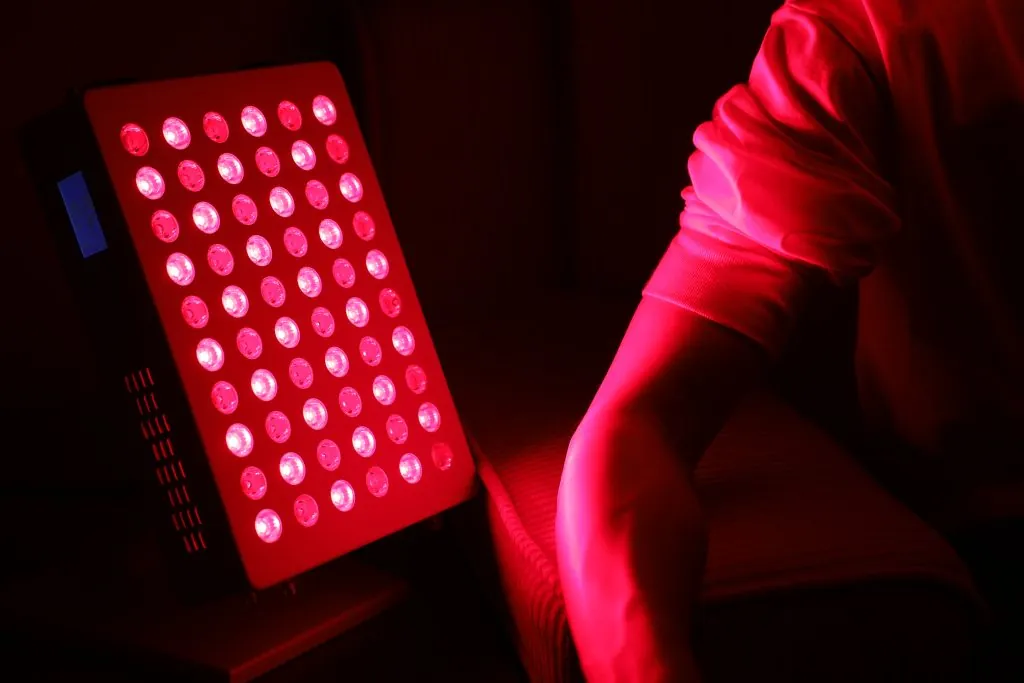
Real-world impact — how you can judge what’s coming
When evaluating new options for led technologies red light therapy, look for these things: verified irradiance at treatment distance, wavelength stability specs, and documented protocols for common indications. I also recommend checking for thermal management details and whether the device logs session data. In my view, three practical metrics matter most: reliable irradiance (mW/cm²), wavelength accuracy (nm tolerance), and duty-cycle stability over time. If a vendor can’t show those, be skeptical.
To close, I’ve learned that technology alone won’t save outcomes — good design, clear protocols, and honest specs will. I’m optimistic: the next wave of devices looks more disciplined and safer for users. For anyone choosing solutions, keep the metrics above in mind and ask for measured data. For suppliers, please show your test reports — we need that transparency. Finally, if you want to explore suppliers who are moving toward better quality management, check out Magique Power for more on their approach.
Leave a Reply