
Why Scaling Wardrobes Supply Trips Even Smart Teams
Here’s the hard truth: most sourcing plans fail before the first shipment leaves port. Your wardrobes supply might look airtight on paper, yet real life adds traffic, tariffs, and thin margins. Picture a fast-growing retailer: three regions, twelve stores, and a launch in eight weeks. A clean plan becomes a maze overnight. Data shows that more than a third of inventory issues trace back to “small” upstream choices like unclear specs or rushed approvals. That’s not a snag; that’s a pattern. So, what’s hiding in the process that keeps biting you at scale?
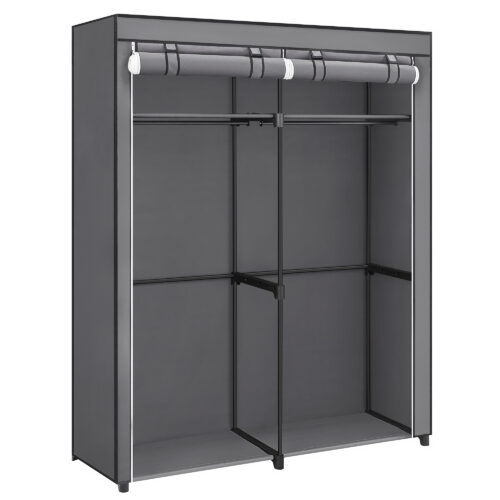
Teams often rely on last season’s playbook. But demand spikes, SKU variants, and packaging rules change the math. Even a tidy bill of materials can slip when new finishes or fittings get added late. Lead time doubles. Costs drift. Customers wait. You want a fast fix—who doesn’t?—but speed without control just shifts the pain downstream. The question is simple: which risks can you remove early, and which must you monitor in motion? Let’s unpack the blind spots and set up a smarter comparison for your next decision.

Hidden Pain Points Buyers Miss with a Wardrobe Manufacturer
What are we missing?
Work with a wardrobe manufacturer long enough and you learn this: the scary costs are rarely the unit price. They live in handoffs. When drawings, finish codes, and hardware specs sit in different folders, you invite BOM drift and rework. MOQ looks friendly until colorways multiply and your SKU count explodes. Then comes the quiet killer—staggered approvals. Each day lost to a sample loop pushes freight timing, QC sampling windows, and retail floorset dates. The math compounds. Look, it’s simpler than you think: align data early, or pay later with rush freight and markdowns.
Traditional fixes focus on one lever at a time. Negotiate price. Shorten lead time. Add a backup factory. But single-lever moves cause side effects. Faster production with loose kitting can spike damage rates in transit—funny how that works, right? Cheaper boards may pass lab tests yet chip under CNC routing, raising scrap and post-assembly defects. And without stable cartonization and ISTA checks, even perfect panels fail the last mile. The pain hides in seams: EDI mismatch with your WMS, unclear tolerance bands at assembly, or packaging that ignores regional parcel limits. Solve the seams, or the seams split you.
From Old Habits to Measurable Control: The Comparative Edge
What’s Next
Let’s shift from patches to principles. Old-school sourcing leans on static specs and email threads. A forward model uses living data and guardrails. Think shared CAD/CAM files, frozen spec gates, and digital QC checklists that flag variances before mass run. Instead of “faster,” aim for “predictable.” That means mapping each supply node—raw boards, lamination, edging, hardware—then setting control points: moisture content checks, edge-band adhesion tests, and pack-out confirmations. Pair that with scenario buffers (two-week flex zones, not bloated safety stock). On the tech side, small wins matter: barcoded kitting to cut pick errors, carton fit algorithms to reduce void fill, and milestone alerts tied to actual takt time. Hard terms to watch: lead time variance, first-pass yield, and freight density.
Here’s where the market is heading—and it affects how you evaluate wardrobe wholesale partners. Expect more pre-engineered modules that lock hardware patterns and hole maps, reducing retool waste. Expect packaging designed from shelf-back, not factory-forward. And expect clearer data bridges between your PIM and the supplier’s production schedule, so color launches don’t break capacity. This is less hype, more plumbing. Compare options by how they manage change, not how they price one PO. Short lines help: plan, lock, signal, adapt. Miss a step—costs creep.
Advisory close—so you can act today. Use three simple metrics when choosing a path: 1) Variance control: what is the supplier’s historical delta on lead time and first-pass yield across at least three SKUs? 2) Change velocity: how fast can they implement an approved spec tweak without slipping the slot (measured in days, with evidence)? 3) Total landed stability: beyond unit price, can they document freight density, damage rate, and return rate by carton design? Keep the tone practical, stay curious, and measure what moves. For context and planning benchmarks, you can also review frameworks at SONGMICS HOME B2B.
Leave a Reply