Why Comparison Beats Guesswork in Grand Entry Lighting
Big entryways deserve bold light. A chandelier supply company sees the same pattern every week: a stunning space, an uncertain buyer, and a dizzy choice list. The stakes are real—LED fixtures can cut energy use by up to 80%, but only if lumen output, beam spread, and CRI align with your space. One common miss is control. If your dimming protocol is wrong, your chandelier may flicker, hum, or refuse to dim smoothly (annoying and costly). Picture the scene: 18-foot ceiling, a staircase curve, and daylight pouring in; glare becomes a surprise enemy, and shadows creep into corners. Now ask yourself, do you want drama or comfort—or both? The right answer balances scale, power, and maintenance. Bold claim: you don’t need a designer’s eye to get it right—just a smarter checklist. So, what should you compare first? Size, mounting height, and control type. Then the details: driver quality, finish durability, and real-world cleaning. Look, it’s simpler than you think. Ready to see what separates “pretty” from “performant”? Let’s dig into the parts that most guides skip—and make a clean decision path.
The Hidden Friction Behind That Showpiece Pendant
What trips buyers up?
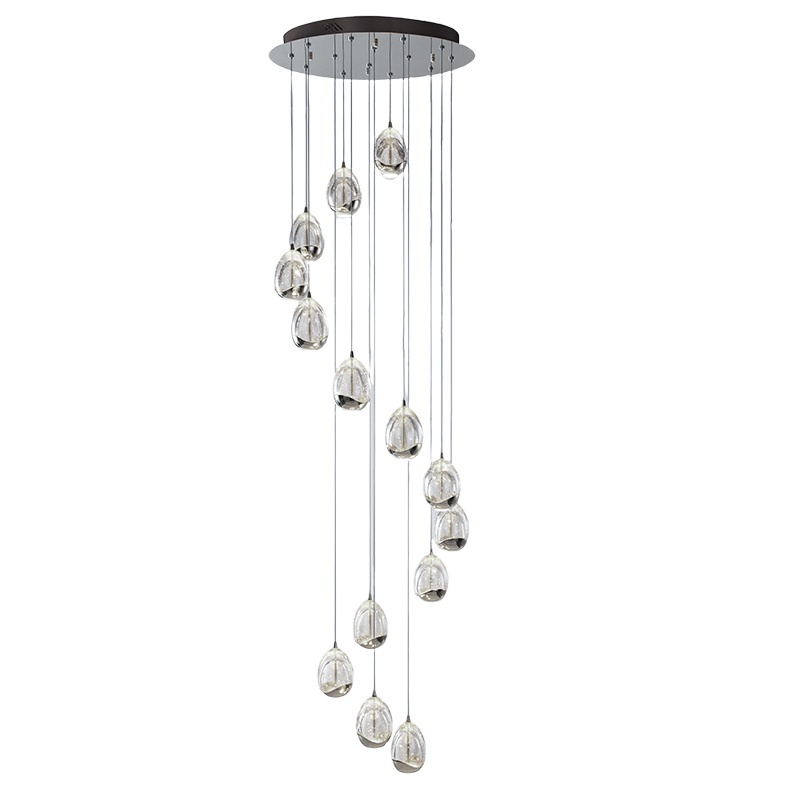
A large foyer pendant light looks effortless in photos, but real installs bring quiet, costly friction. First, scale. A fixture that’s 2 inches too wide can crowd a landing; 2 inches too narrow gets swallowed by volume. Traditional advice says “just match width to room size,” yet tall entries behave like vertical tunnels, not flat rooms—funny how that works, right? Second, the power train. Many beautiful fixtures hide budget LED drivers and basic power converters. That leads to poor power factor, early dimmer conflicts, and heat stress in enclosed canopies. Over time, thermal management issues show up as yellowing lenses and failing diodes. Third, service pain. If the driver is not field-replaceable, a simple part swap becomes a scaffold job. That’s time, money, and a weekend you didn’t plan to spend.
Then comes light quality. High ceilings amplify glare from exposed lamps and magnify hot spots. Without a lens or diffuser strategy, your eyes take the hit on every stair. Old-school pendants often lack fine control: no soft-start dimming, no low-end trim, and no option for scene presets. You feel it every day, even if you can’t name it. Safety is another quiet gap. Long downrods demand rigid bracing and proper junction box ratings; shortcuts lead to sway and micro-vibration that wears hardware. Add cleaning into the mix: if the fixture design traps dust above glass cups, maintenance doubles. The fix isn’t exotic. Pick a pendant with a serviceable LED driver, verified thermal path, and a tested dimming protocol. Choose optical shielding where lines of sight cross. And confirm hardware ratings to match ceiling height and load. Look, it’s simpler than you think—when you compare the parts that matter.
Beyond the Showroom: Smarter Principles for Tomorrow’s Entry Light
What’s Next
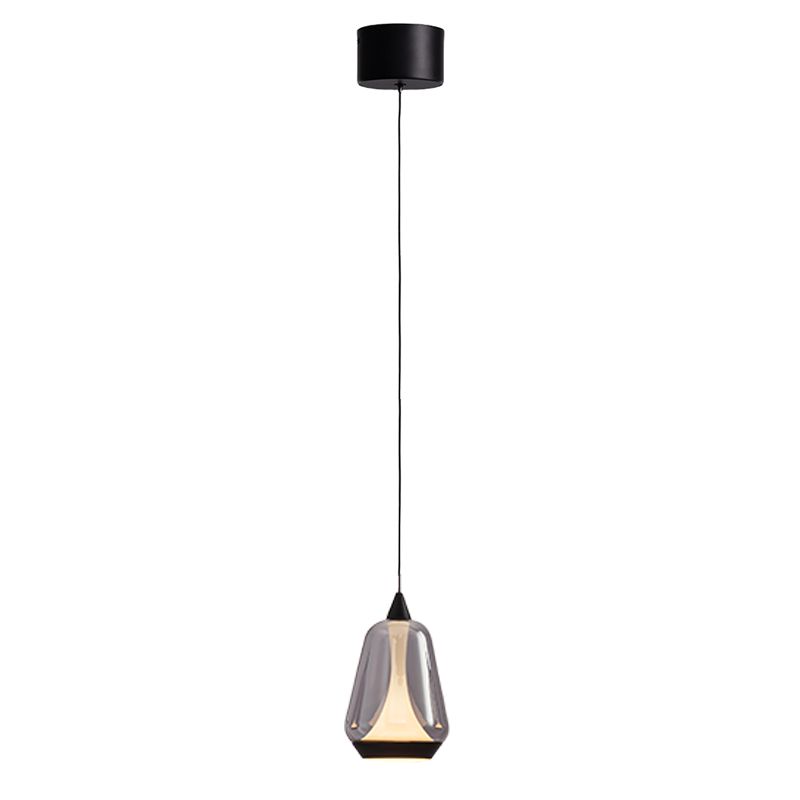
Forward-looking fixtures solve these frictions with better cores, not just prettier glass. New drivers support wide dimming ranges and stable low levels, even with long wire runs. Think DALI-2 or Bluetooth Mesh for reliable scenes, plus better surge protection baked in. Optical design is evolving too: layered diffusers and microprismatic lenses spread light without glare, so a sweeping staircase looks bright yet calm. For tall spaces, modular LED boards make service simpler—you swap a module, not the whole head. And when your foyer transitions into a stair hall, coordinated pieces keep it coherent; modern chandeliers for stairwell can match finishes and drivers so controls behave as one system. The principle is clear: pair form with a stable electrical backbone and optical comfort. Do that, and the daily experience feels calm—day one and day one thousand.
To translate this into action, use three evaluation metrics before you buy. One: control integrity. Confirm the dimming protocol, low-end performance, and driver replaceability. Two: optical comfort. Look for glare control, diffuser design, and target lumen output by height. Three: service logistics. Check access for cleaning, field-replaceable parts, and hardware ratings for tall installs. These are simple, measurable, and they keep costs honest. Compare a classic pendant against a newer, driver-forward design and you’ll spot the difference fast—maintenance drops, comfort rises, and energy stays lean. In the end, your foyer should greet you, not fight you. Choose with calm criteria, not catalog rush, and you’ll love walking in every time. For deeper specs and coordinated options, see kinglong.
Leave a Reply