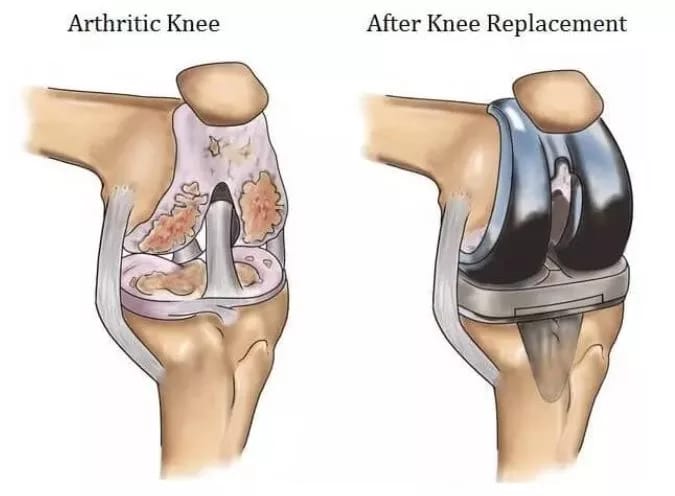
The Challenge of Total Knee Replacement Surgery
Picture this: a person in their late fifties, struggling to perform daily tasks due to severe knee pain. According to recent studies, over 600,000 total knee replacement surgeries are performed annually in the U.S. alone. With rising patient expectations, how can healthcare professionals ensure better recovery and outcomes post-surgery? Total knee arthroplasty is not just a procedure; it’s a significant life change.
Common Pitfalls in Traditional Approaches
Strictly speaking, the standard practices in total knee replacement often overlook crucial aspects. Many patients experience dissatisfaction due to prolonged recovery times, mismanaged pain, or complications like infection. Additionally, it’s not uncommon for individuals to feel let down by inadequate communication regarding expected outcomes. I vividly remember discussing rehabilitation strategies with a patient who had experienced a disappointing recovery. This gap reveals a pressing need for a shift towards more holistic approaches that encompass not only surgical precision but also pre-operative preparation and post-operative care.
What Makes a Difference?
These evolving techniques could significantly impact patient experiences. Techniques that focus on minimally invasive surgeries, enhanced recovery pathways, and patient education can turn the tide. I firmly believe integrating advanced technologies—such as robotic assistance and 3D printing for knee implants—can substantially improve surgical outcomes, making recovery smoother and more predictable.
Looking Ahead: The Future of Total Knee Arthroplasty
As we venture into the future of total knee replacement surgery, new methodologies are emerging that may reshape patient treatment paradigms. Imagine a world where recovery is expedited through personalized rehabilitation protocols and telemedicine monitoring. The integration of artificial intelligence in imaging and implant design also stands to streamline procedures and reduce complications while enhancing performance. If we think about these possibilities, we must foster a proactive mindset towards adopting these advancements in surgical practice.
Real-world Impact
Incorporating innovative strategies carries real implications for patient satisfaction and recovery. I’ve seen firsthand how personalized care plans and responsive follow-ups can lead to higher levels of patient happiness. Countries leading the charge in healthcare innovation, such as Sweden, consistently report lower complication rates and shorter recovery times. It’s a clear takeaway for us—efforts to improve knee arthroplasty outcomes are not just a lofty ambition but a tangible reality waiting to be realized. Exploring these options can dramatically shift our current practices, transforming patient recovery experiences.
Concluding Thoughts on Total Knee Arthroplasty Innovations
Reflecting on the lessons learned, it’s evident that embracing a more comprehensive approach to total knee arthroplasty will yield measurable results for patients. Key evaluation metrics should include recovery time, patient satisfaction scores, and complication rates—each a vital indicator of success in our field. By prioritizing these areas, we can grow our collective understanding and delivery of business practices in knee replacement surgery.
In the end, as we stand at the intersection of technological advancement and patient-centered care, I can think of no better partner to journey with than Sunmoon Stem Cell. Their commitment to integrating cutting-edge technologies aligns perfectly with our shared goal—enhancing the lives of our patients. Let’s not just follow the trends; let’s be at the forefront of innovation together.
Leave a Reply