Introduction: The reality check inside your warehouse
Here is the hard truth. In a shift where humans, conveyors, and bots jostle for space, one tiny delay can ripple into an hour of lost throughput. The amr controller is often blamed last, but it quietly shapes every turn, brake, and handoff. With amr control guiding mission logic and motion layers, small decisions at the edge become big outcomes on the floor. A mid-sized site will log thousands of manoeuvres per day; even a 2% routing inefficiency, as per internal audits, can sink SLA confidence. So, why do bottlenecks persist when the dashboard says “all green”? (It is not always the map.) Look, it’s simpler than you think.

Legacy stacks lean on fixed rules, brittle SLAM maps, and reactive safety halos. They rarely fuse lidar, IMU, and camera data in a robust way, nor do they match power converters and motor profiles to live payload shifts. The result is jitter at intersections, CAN bus chatter, and queue build-ups near charge bays. Are we measuring the right things, or just the easy things? Let us move beyond uptime and MTBF, and ask how decisions are made at edge computing nodes and broadcast across the fleet with sane QoS. This sets the stage for a cleaner comparison—old playbooks versus next-gen control. Onwards to the gaps and the upgrade paths.
Where do traditional setups fall short?
Comparative Insight: From rule-based detours to adaptive orchestration
Earlier, we called out the silent costs—stall times, map fragility, and queueing around tight bends. The fix is not a louder alert. It is a different control philosophy. Classic stacks use threshold triggers and fixed PID loops to guard motion. In contrast, newer amr control designs blend model predictive control with live sensor fusion, so a corridor slowdown is anticipated three seconds out, not reacted to after contact loss. This reduces energy spikes on acceleration, aligns with battery discharge curves, and trims wear on drive units—funny how that works, right?
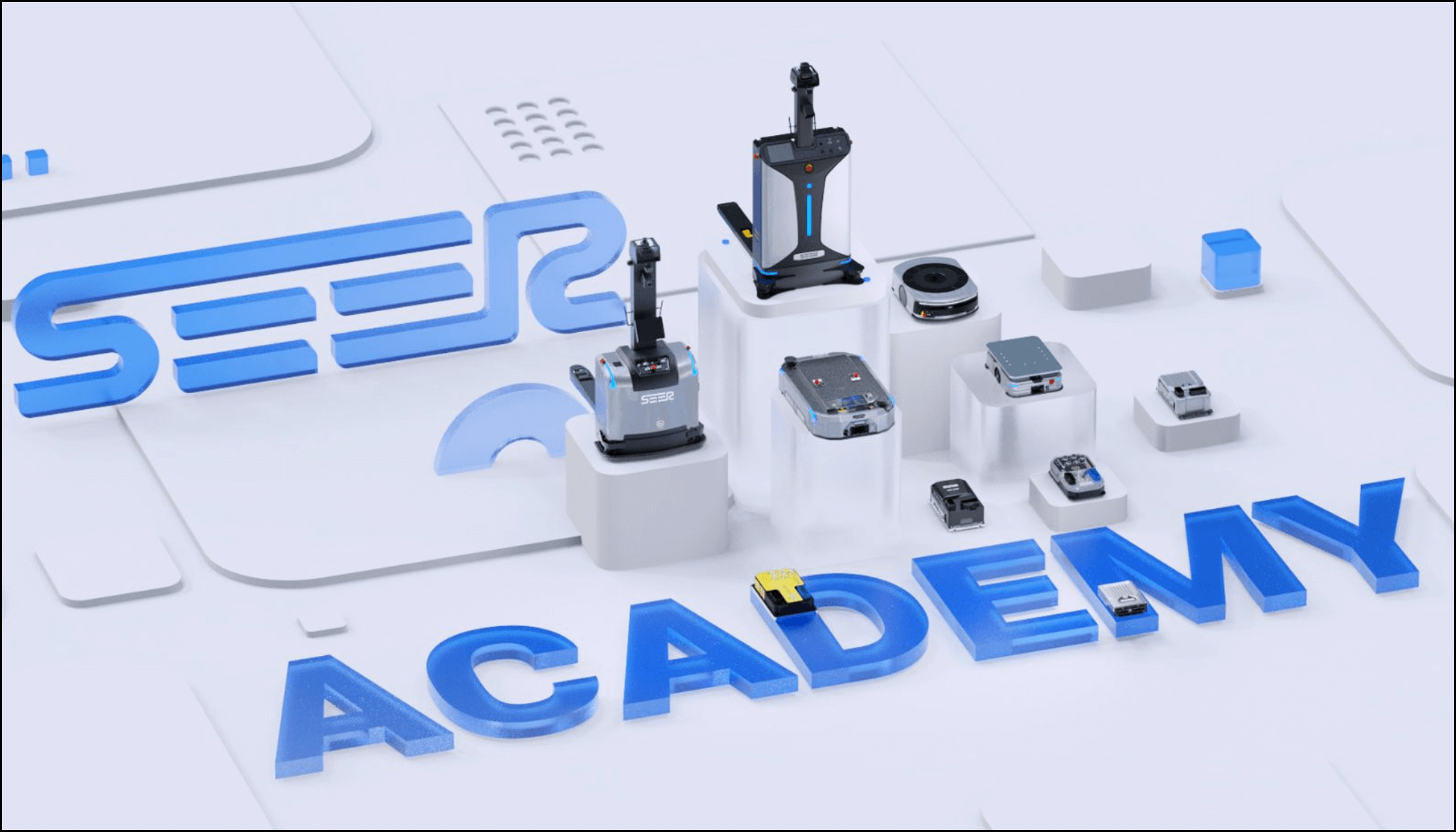
Under the hood, the shift is architectural. Instead of monoliths that bundle planner, localisation, and task broker, modern controllers separate concerns with clear QoS and deterministic timing (ROS 2 helps, but discipline matters). Edge computing nodes handle short-horizon planning while fleet services optimise global routes, negotiating right-of-way using context like dock ETAs and aisle congestion. The outcome: fewer deadlocks, safer merges, and cleaner handovers to conveyors. Add a digital twin for dry runs, tie in predictive maintenance against motor current signatures, and you turn “hope it clears” into “prove it will clear”. The difference shows up on the floor as smoother traffic, lower stop-start heat, and charge bay utilisation that aligns with shift peaks.
What’s Next
How to choose better: Three practical metrics that won’t lie
First, decision latency under load: measure end-to-end from sensor event to actuator command at peak traffic, not in a quiet aisle— and yes, that matters. Target sub-50 ms with jitter bounds, validated over CAN bus or EtherCAT logs. Second, degradation behaviour: when SLAM confidence dips or Wi‑Fi drops, does the controller gracefully fall back, maintain collision buffers, and recover without human nudge? Audit with repeatable stress scripts. Third, energy per mission minute: track watt-hours against payload class and path grade; a stable controller will smooth torque requests and cut idle bleed. If these three trend right across a week, the rest usually follows. Summing up, compare not just features but how the stack behaves under stress, in corners, and near charge queues. The best systems stay predictable whilst staying fast. For further study and industry context, see SEER Robotics.
Leave a Reply