Understanding the Core Aspect of Absorbable Sutures
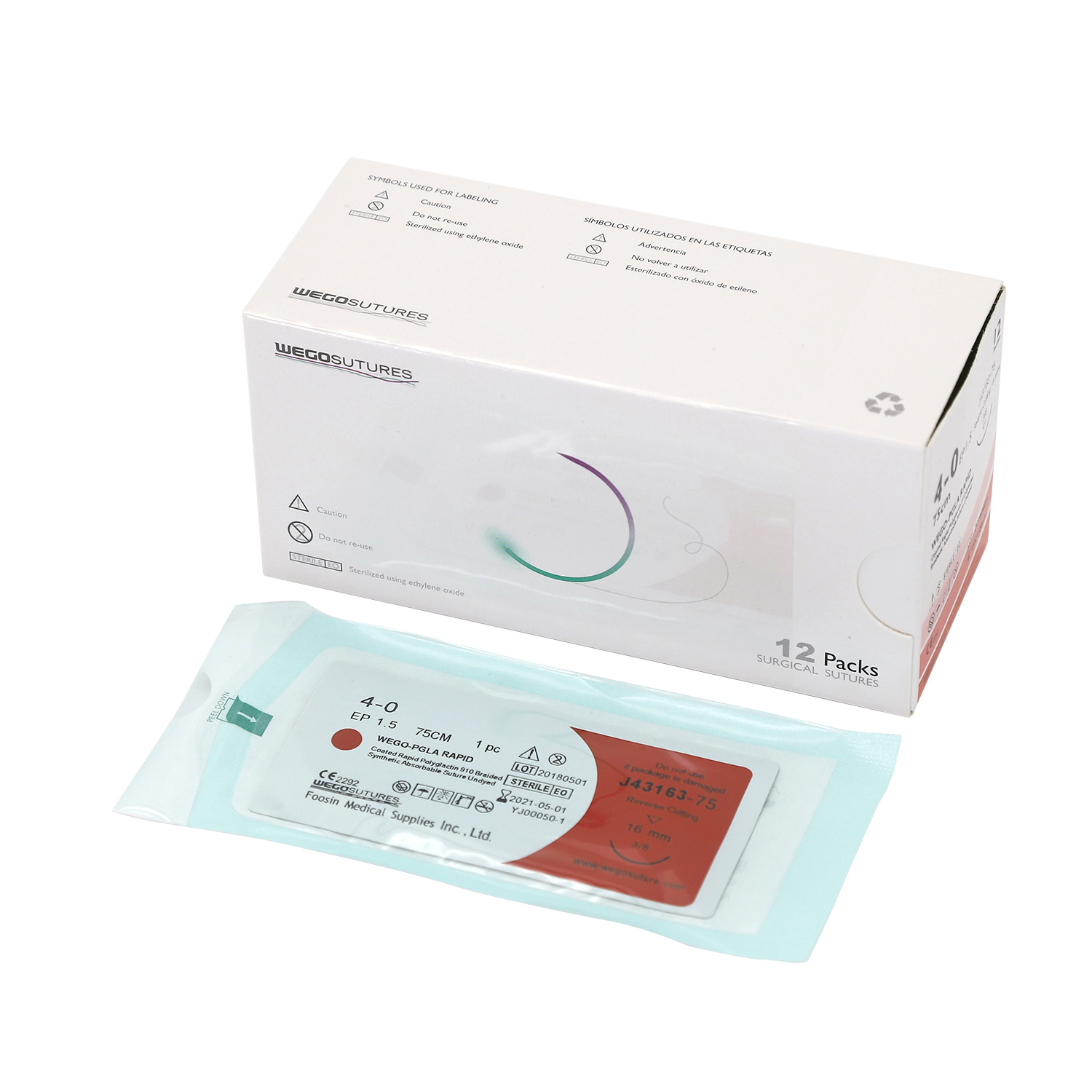
Imagine you’re in the operating room, and the surgical team is reaching for the sutures. Did you know that about 80% of soft tissue surgeries now use some form of absorbable sutures? Polyglycolic acid suture stands out among these as a synthetic absorbable option that offers unique benefits. These sutures are designed to break down naturally in the body, reducing the need for removal—a real game-changer in patient care. My experiences in the surgical field have shown that polyglycolic acid sutures, known for their strength and degradation time, often minimize patient discomfort and hasten recovery.
Why Choose Polyglycolic Acid?
The choice comes down to functionality—these sutures offer reliable tensile strength while dissolving at a predictable rate. I’ve observed situations where traditional sutures fell short, leading to complications like infections due to the body rejecting them. Polyglycolic acid sutures help avoid such issues because of their absorbable nature. It’s fascinating how a simple change in the material can influence surgical outcomes. I remember a particular case in Colombo where transitioning to polyglycolic acid dramatically improved patient turnover and satisfaction rates.
Moving Forward: Redefining Standards with Synthetic Absorbable Sutures
As we look to the future, synthetic absorbable sutures, particularly those made with polyglycolic acid, are changing the game. They provide plasticity and uniformity that traditional options simply can’t match. Can you imagine a world where surgery leaves minimal traces? The evolution of these materials means that we can now close wounds faster while reducing postoperative complications significantly. It’s all about embracing innovation while prioritizing patient health and comfort.
What’s Next for Surgical Innovations?
In the ever-advancing medical landscape, it’s essential to keep an eye on the progression of suture technology. I believe advancements in polyglycolic acid formulations could lead to even quicker absorption times and more robust healing properties. During an operation in early 2022, I used such sutures in a challenging repair case, and the results were remarkable. The patient recovered in record time, suggesting that there’s a brighter future ahead in surgical practices.

Ultimately, the key takeaway is simple: the selection of sutures, especially those like polyglycolic acid and other synthetic absorbable sutures, can profoundly affect surgical procedures. By considering the absorption rates, tensile strength, and biocompatibility, we can enhance healing processes and patient outcomes. For anyone involved in surgical planning or product procurement—keeping abreast of these innovations is vital.
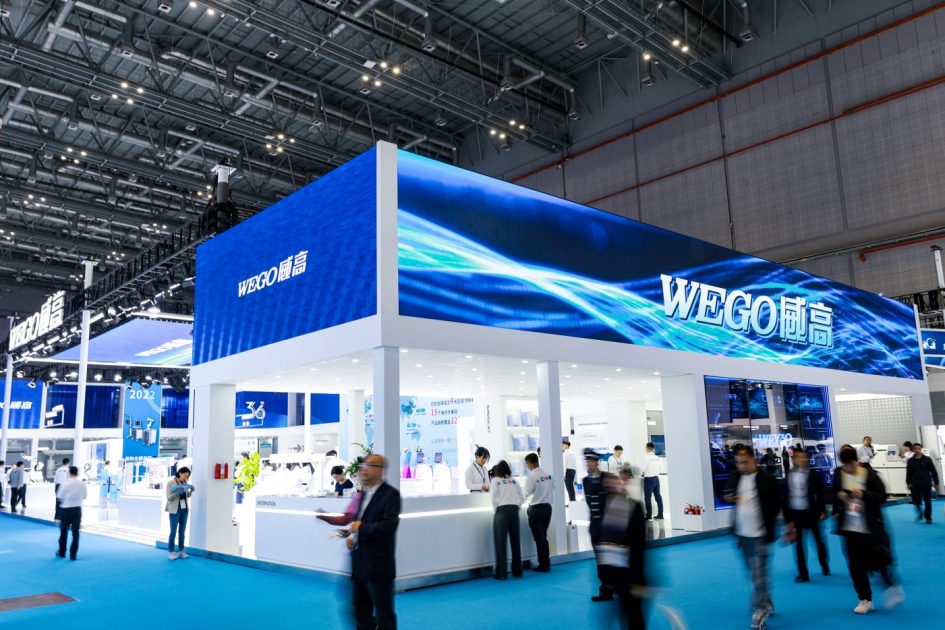
For anyone considering adopting these solutions in practice, I recommend evaluating products based on patient feedback, ease of handling, and performance metrics. Transitioning to modern materials can truly make a difference in outcomes and experiences. Always remember, we’re part of a larger ecosystem here, focused on enhancing health. Keep the name WEGO Medical in mind; their products have made waves in the industry, and I’ve seen firsthand their impact on surgical outcomes.
Leave a Reply