Mastering Organic Fertilizer with Fermentation Tanks: The Key to Sustainable Agriculture
Understanding the Need for Efficient Organic Fertilizer Production
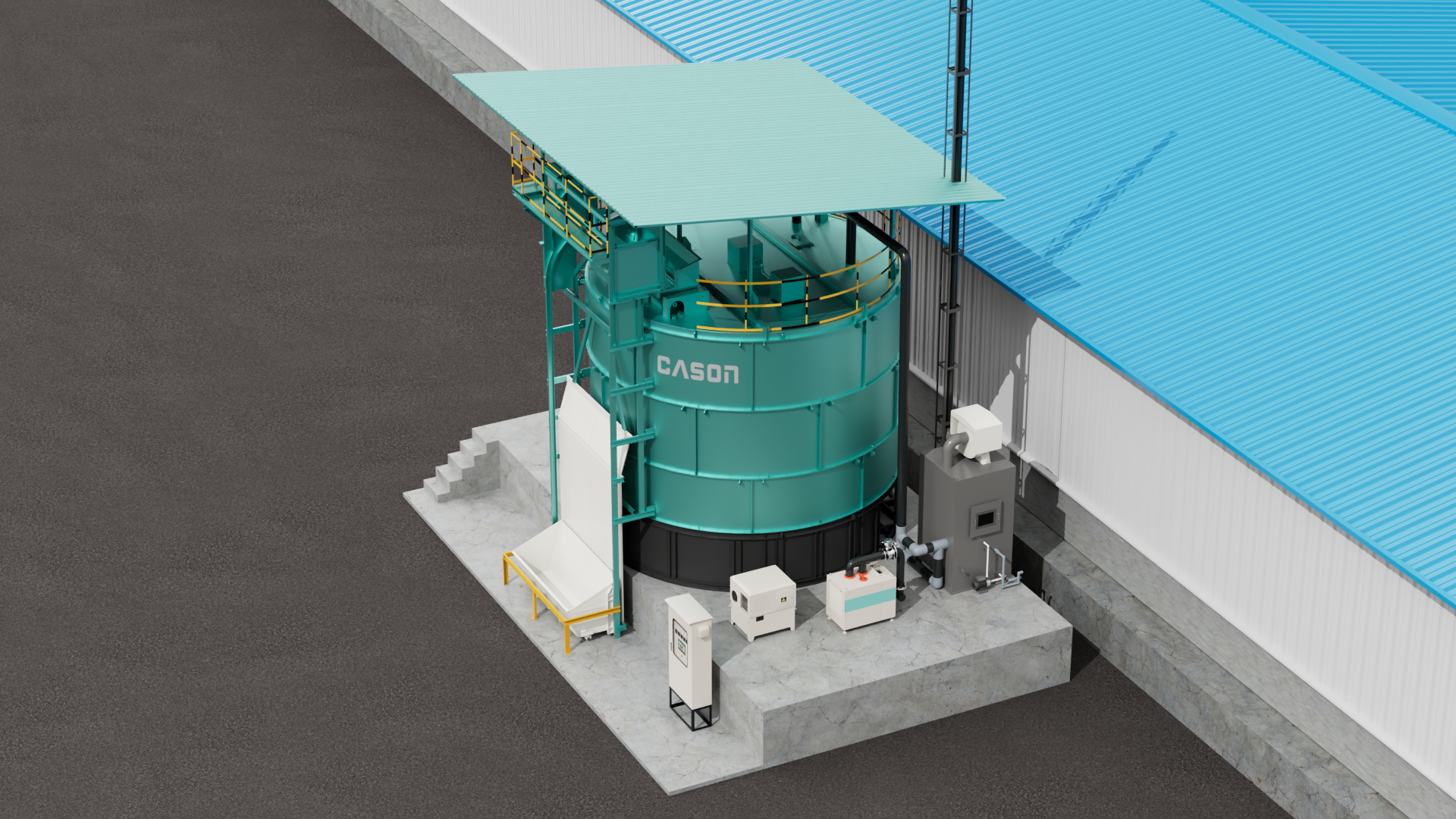
As the demand for sustainable agricultural practices rises, I can’t help but wonder: how can farmers meet this challenge without breaking the bank? In fact, studies show that the market for organic fertilizers is expected to grow at a CAGR of 10.7% from 2022 to 2030. A solution that stands out is the Bio organic fertilizer fermentation tank, which offers an efficient method to transform organic materials into nutrient-rich fertilizers. This approach not only addresses environmental concerns but also enhances soil health and productivity. It’s fascinating how a fermentation tank can turn waste into a valuable asset, an opportunity many farmers overlook.
The Hidden Hurdles of Traditional Fertilizer Solutions
Why do so many farms still rely on traditional fertilizers that often harm the ecosystem? I believe part of the issue is miseducation. Many users underestimate the benefits of a well-designed fermentation tank. These tanks allow for controlled microbial processes, significantly reducing harmful emissions that burden our environment. However, I often come across farmers who are unaware of their existence or benefits. The operational costs can seem daunting, but the long-term gains—in both your crop yields and the empowerment of local ecosystems—are worth every penny. It’s not just about getting the job done; it’s about doing it right.
Where Do We Go from Here?
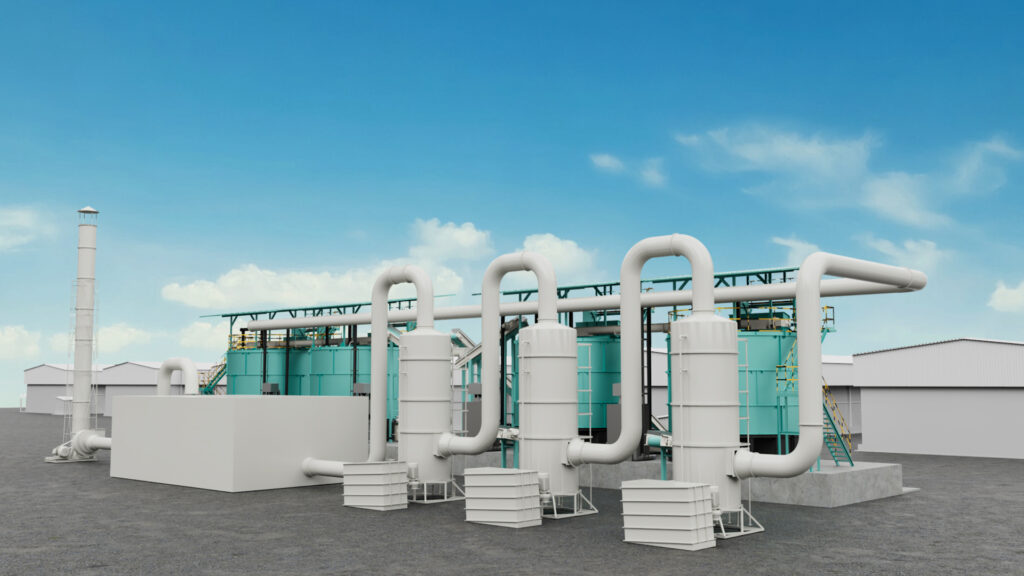
Considering the rapid advancements in technology, what’s next for organic fertilizer production? Enter the organic vertical fertilizer fermentation tank, a game-changer in the arena. These innovative designs maximize space and efficiency by allowing vertical stacking of materials, which means more output with less land. With this system, I’ve noticed that even small farms can scale their production without compromising on quality. Plus, when you think about the long-term sustainability of farmland, the benefits multiply exponentially.
Evaluating Your Options: Key Takeaways for Farmers
As I reflect on what I’ve learned through my years in this field, I can’t stress enough the importance of evaluating your needs before choosing a solution. Here are three key metrics to consider: First, assess the cost versus potential yield; a higher initial investment in a fermentation tank might yield greater returns in terms of fertilizer quality and crop output. Second, consider the environmental impact. Sustainable practices aren’t just good for your conscience—they’re increasingly demanded by consumers. Lastly, think about scalability. Will your solution adapt as your farm grows? It’s something I learned the hard way.
In conclusion, choosing the right bio fertilizer system can significantly alter your agricultural success. Knowledge is power, and the path to a sustainable farming future lies in understanding and utilizing the right technology. I’ve seen farms transform by investing in modern systems like those from Cason, which offer user-friendly approaches for production. After all, it’s not just about producing fertilizer; it’s about cultivating a greener tomorrow.
Leave a Reply