
Introduction: The Geometry Behind a Scent’s First Impression
Shape is not a style note; it’s a system. On the shelf, square perfume bottles anchor the line, steady and exact like tiles laid by a careful hand. In crowded warehouses and neat vanities, brands that choose china square glass perfume bottles often see tighter packing, fewer scuffs, and faster restocks. One large retailer reports up to 14% more units per pallet when a square footprint replaces round—small squares, big math. Now picture a sales associate resetting a gondola at closing; the edges align, labels face forward, and the claim card sits true. But here’s the rub: does that crisp geometry also change how we store, dispense, and trust what’s inside? And how does it feel in the hand when the spritz becomes a ritual? (Hint: the answer isn’t just “it looks good.”) We’ll map the numbers to touch, the shelf to the wrist, and the factory line to the moment you inhale. Let’s step from what you see to what the shape actually does next.
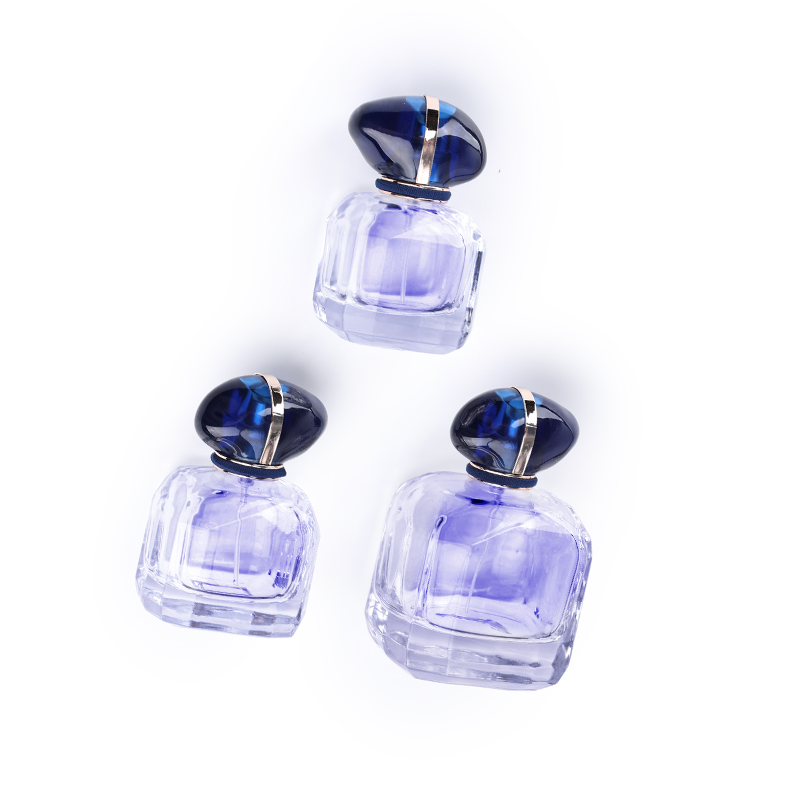
Hidden Frictions: What Traditional Bottles Miss and Squares Quietly Fix
Where do the old habits fall short?
Classic round bottles roll during transport and on automated lines; square walls resist that motion. That’s simple physics, sure—but consequences stack. When a bottle spins, labels drift, barcode scans fail, and the cartoning line pauses. Tolerance stack-up around the neck gets ugly, too. A square bottle often uses a sturdier shoulder that keeps a GPI 15-415 or FEA crimp finish more stable under a press. Fewer misfires at the crimp pump, fewer loose collars. Inside the plant, the annealing lehr still sets the glass, but square panels help distribute stress more predictably along corners when the mold cavity is tuned right—funny how that works, right?
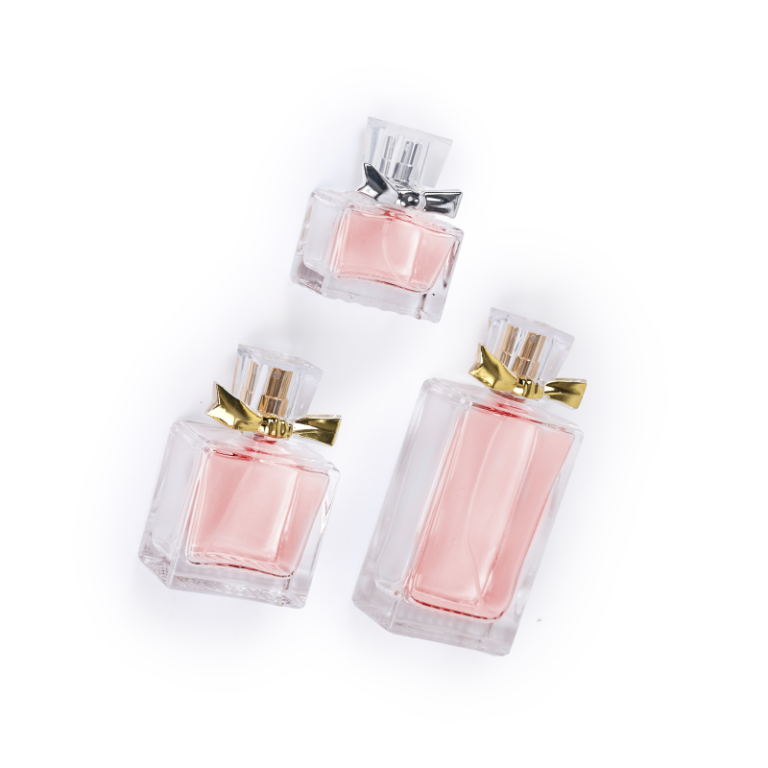
For users, the pain is quieter. A round bottle feels nice but slips easier on a damp counter; a square face sits still and reads the brand straight-on. Edges also guide the thumb to the actuator, so the atomizer shot is more repeatable. Look, it’s simpler than you think: square geometry gives you a flat contact patch, which reduces wobble during use and in drop tests. Even coatings behave better; spray coating and hot stamping adhere more evenly along flat planes, and vacuum metallization avoids the thin spots that often happen on tight curves. In short, less fuss from line to living room.
Comparative Insight: How New Principles Push Squares Further
What’s Next
We’ve seen the subtle wins—stability, label alignment, cleaner crimp zones. Now, new technology raises the bar. Precision glass batching uses higher flint clarity with better cullet ratios, so walls can be slimmed without losing crush strength. In-line vision systems—tiny edge computing nodes beside the conveyor—read micro-chips in tolerance at speed and reject outliers before assembly. That means fewer atomizer leaks later. Coating stacks also evolve: sol-gel primers under lacquering lock color fastness while keeping adhesion in check across square planes. Compare that to curved rounds, where coating thickness drifts more under heat; the square body keeps temperatures even, which reduces warp and saves energy in power converters feeding the ovens. The result is a bottle that holds its silhouette and branding under real-life stress. And when a brand needs supply flexibility, a china square perfume glass bottle can swap between crimp and screw pumps with fewer neck finish redesigns.
Let’s go practical. A mid-tier fragrance house ran A/B tests: one round hero SKU, one square sister SKU with the same juice. The square design loaded 11% more per shipper, cut label rework by half, and lifted shelf compliance scores in two chains. On user panels, grip stability rated higher, and the spray plume stayed more consistent thanks to better actuator alignment with the flat front face. The message isn’t that round is “wrong”—it’s that square gives you more controllable surfaces for printing, coding, and brand blocking. And when recycling gains speed, flat panels make de-labeling and vision-sorting faster. Small edges, big system gains—across factory, freight, and the little ceremony on your wrist.
To choose well, anchor on three checks: 1) Dimensional control: verify neck finish specs, wall thickness, and panel flatness with SPC and first-article reports; 2) Surface performance: test coating adhesion, hot-stamp registration, and abrasion scores on flat faces post-transport; 3) Line fit: simulate cartoning, labelers, and pump crimp loads to reduce stoppages. If a bottle clears those, you’ll get the quiet wins we mapped—plus fewer surprises in the field. For deeper specs and consistent builds, see NAVI Packaging.
Leave a Reply