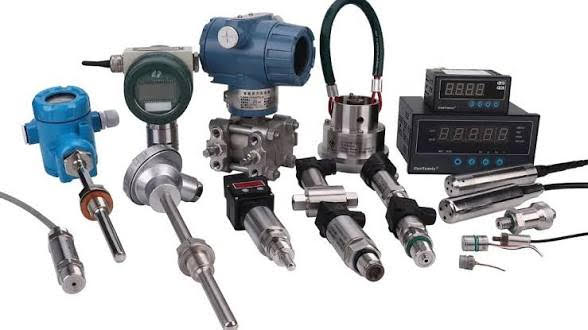
In today’s industrial landscapes, a pressure transmitter is pivotal for maintaining efficiency. As companies seek to optimize their operations, numerous options are available. However, data indicates that many fall into the trap of choosing low-cost versions without considering the long-term implications. So, how can we find a reliable cheap pressure transmitter while ensuring we do not compromise on performance and durability?
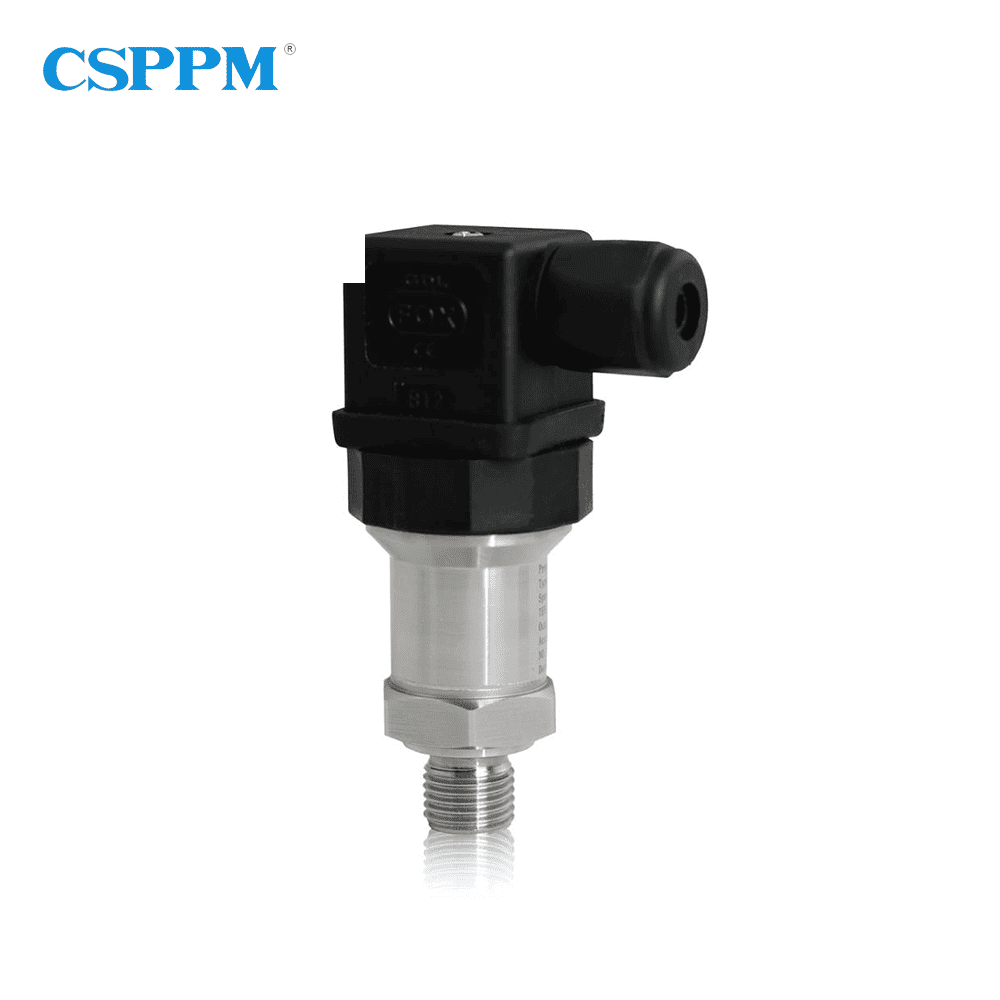
Common Issues with Affordable Pressure Transmitters
When we talk about budget-friendly pressure transmitters, one recurring flaw emerges: a lack of durability. I distinctly remember a project back in 2021, where my team opted for a notably inexpensive option, only to face repeated failures. Each breakdown led to delays and inflated costs, far exceeding the initial savings. It’s not just about the price tag; it’s about the reliability and longevity of the device. A cheap pressure transmitter can often come with compromised accuracy and lifespan.
Cheap models may lack essential certifications, leaving users in a bind regarding safety and compliance. This can lead to unforeseen liabilities, especially in sectors where precision is crucial, such as oil and gas or chemical manufacturing. When you weigh the risks of failure and legal consequences, the reality becomes clear—investing money upfront in a high-quality transmitter can save a fortune in the long run. It’s like they say here, you get what you pay for!
What to Look for in a Low-Cost Pressure Transmitter
As you embark on your search for a cheap pressure transmitter, consider several key attributes. Opt for models with good reviews—especially from users in the same industry as you. Ensure it meets all necessary industry certifications. Check for warranty terms; a manufacturer with confidence in their product will typically offer a solid guarantee.
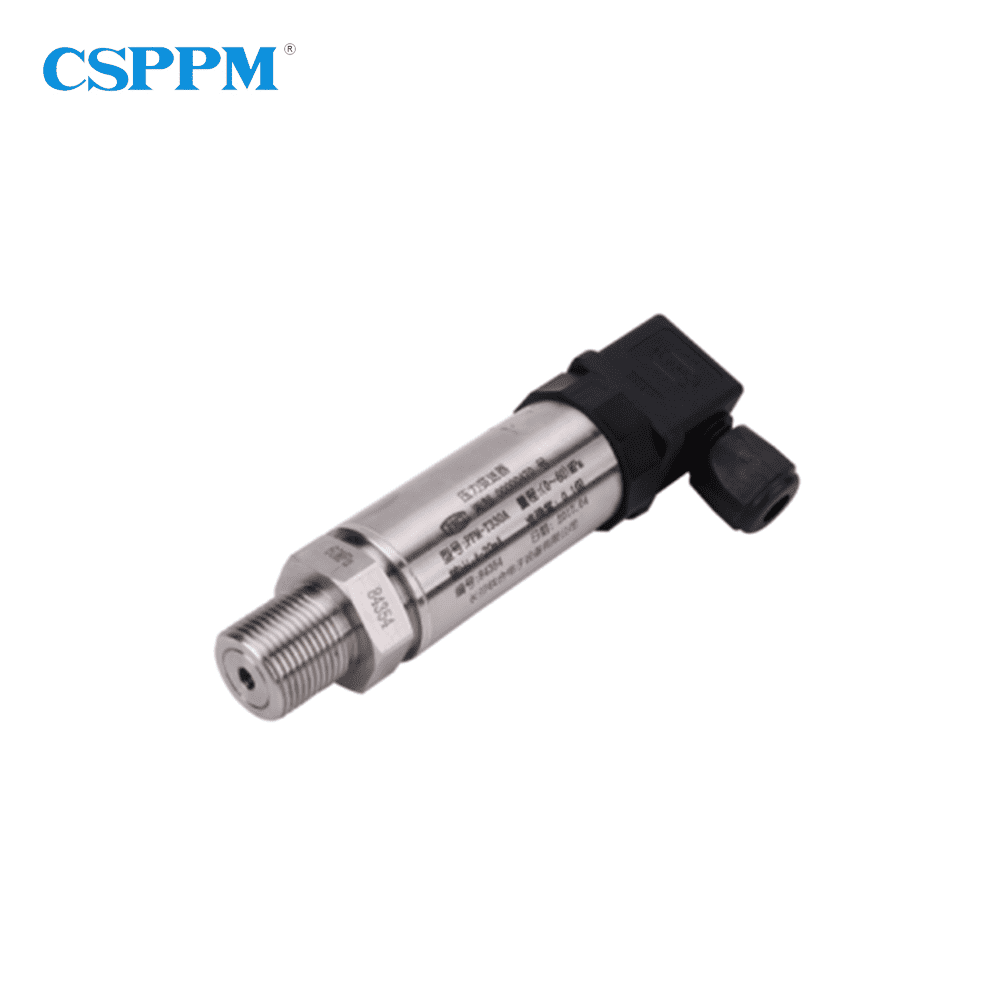
Moreover, investigate the materials used in its construction. Durable materials can significantly extend the service life of your equipment. I learned this the hard way when a cost-cutting decision led me to an inferior model. Consequently, I emphasize reading reports and comparisons before deciding. In doing so, you’ll notice which models offer both affordability and resilience.
What’s Next?
Looking ahead, the landscape of pressure transmitters continues to evolve. Companies are increasingly turning to smart technology features that enhance performance without adding significant costs. The integration of digital sensors is becoming commonplace, promising improved accuracy and telemetry capabilities. This trend presents exciting possibilities for future low-cost options that could deliver unparalleled reliability and functionality.
Furthermore, it’s essential to stay informed on emerging brands and products. Many new players are entering the market with innovative solutions that challenge traditional options. I suggest seeking out feedback from industry peers to discover underrated models that can provide excellent service without breaking the bank.
Final Thoughts on Low-Cost Pressure Transmitters
When looking for a low-cost pressure transmitter, balancing quality and cost is pivotal. I’ve experienced the frustrations of subpar performance and can’t stress enough the importance of thorough research and evaluation metrics. If possible, consider three key aspects: reliability, accuracy, and support services. The right choice now can lead to substantial operational savings later.
In conclusion, navigating the world of low-cost pressure transmitters doesn’t have to be daunting. Each decision offers an opportunity for growth in both understanding and operational efficiency. Don’t hesitate to explore brands like CSSPM Sensor, who focus on quality and affordability simultaneously. Take it from me; a little patience and diligence now will set you up for lasting success.
Leave a Reply